
Fitness After 50: Essential Features for Success
Discover the core components of effective training, nutrition, and recovery designed specifically for men over 50 seeking to maintain strength, mobility, and vitality.
Four Core Pillars of Mature Fitness
A comprehensive approach to health and wellness after 50 requires balanced attention to these key areas.
Strength Training
Progressive resistance work preserves muscle mass, bone density, and functional independence. Training 3-4 times weekly with proper form prevents age-related decline.
Nutrition Strategy
Adequate protein intake (1.2-1.6g per kg bodyweight), whole foods, and micronutrient density support recovery, hormonal health, and sustained energy levels.
Cardiovascular Health
Moderate aerobic activity—walking, swimming, or cycling—enhances circulation, supports heart health, and improves endurance without excessive joint stress.
Recovery & Sleep
7-9 hours of quality sleep, active rest days, and stress management accelerate adaptation, reduce injury risk, and maintain hormonal balance.
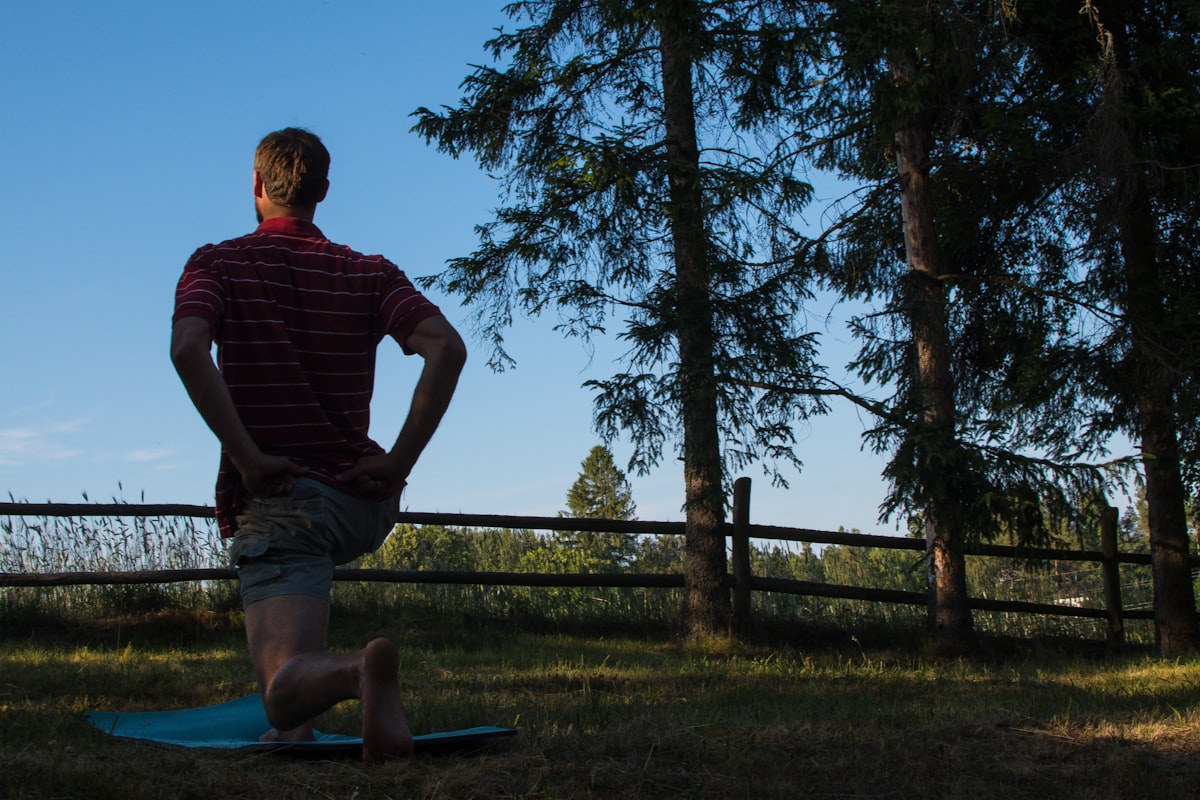
Why Training Changes After 50
Metabolic rate naturally slows, muscle synthesis becomes less efficient, and recovery windows extend. These biological shifts demand a smarter, not harder, training approach. The traditional "more is better" mentality often leads to overuse injuries and burnout.
Fitnessvitaminsage has identified evidence-based strategies specifically calibrated for men over 50. We focus on movement quality, progressive overload, and recovery protocols that respect your body's changing needs while delivering measurable strength and mobility gains.
Whether you're returning to fitness after years away or looking to refine an existing routine, understanding these fundamentals ensures sustainable progress and injury prevention.
Read our training methodologyKey Features of Our Approach
Designed specifically for the 50+ male demographic, balancing ambition with biological reality.
Low-Impact Strength Protocols
Resistance training emphasising controlled movements, proper form, and joint-friendly variations. Machines, free weights, and bodyweight exercises scaled to individual capacity prevent injury while building lean mass.
Protein & Micronutrient Optimisation
Guidance on nutrient timing, bioavailable supplements, and whole-food prioritisation supports muscle recovery and hormonal health. Mineral and vitamin support (magnesium, B vitamins, omega-3s) addresses age-related deficiency risks.
Mobility & Flexibility Work
Dynamic stretching, yoga-inspired routines, and soft tissue work improve range of motion, reduce stiffness, and enhance functional capacity. Mobility directly supports strength gains and injury prevention.
Heart Health Integration
Steady-state cardiovascular work, interval training at sustainable intensities, and active recovery days maintain aerobic capacity and support circulation without excessive systemic stress or joint wear.
Sleep & Recovery Science
Evidence-based practices for sleep hygiene, stress reduction, and active recovery (yoga, walking, foam rolling) accelerate adaptation to training and optimise hormonal balance naturally.
Progressive Tracking & Adaptation
Regular assessment of strength, endurance, mobility, and body composition allows intelligent programme adjustment. Data-driven progression prevents plateaus and maintains long-term engagement.
Your 4-Week Transformation Journey
A structured pathway to rebuild strength, improve energy, and establish sustainable habits.
Week 1-2: Foundation & Assessment
Establish baseline fitness levels, learn proper exercise form, and introduce a consistent sleep and nutrition routine. Light resistance training (2-3 sessions) combined with gentle mobility work familiarises your body with movement patterns. Sleep targets increase to 7-8 hours nightly.
Focus: habit building, injury prevention, body awareness.
Week 2-3: Progressive Load & Adaptation
Increase resistance training frequency to 3-4 sessions per week. Introduce moderate cardio (20-30 minutes walking, cycling, or swimming 3 times weekly). Protein intake rises to support recovery. Mobility routines become part of warm-ups and cool-downs.
Focus: building strength foundations, cardiovascular conditioning, nutrition optimisation.
Week 3-4: Intensity & Fine-Tuning
Progress to structured strength sessions with periodised loading (some sessions heavier, others technical focus). Cardio includes mix of steady-state and light intervals. Recovery becomes intentional—yoga, foam rolling, and sleep hygiene are non-negotiable. Assess progress in strength, energy levels, and mobility improvements.
Focus: sustainable intensity, recovery rituals, measurable progress.
Ongoing: Long-Term Sustainability
Establish a repeatable 5-day training split (3 strength + 2 cardio/mobility), maintain protein and micronutrient targets, and keep 8-9 hour sleep consistency. Monitor progress quarterly and adjust programmes based on performance data, recovery signals, and changing life circumstances.
Focus: lifetime habit integration, preventing stagnation, maintaining injury resilience.
Training Approach Comparison
How our method differs from generic fitness guidance.
| Aspect | Generic Fitness | 50+ Optimised Approach |
|---|---|---|
| Training Frequency | 5-6 days per week, high intensity | 3-5 days per week, moderate-to-high with recovery days built in |
| Exercise Selection | Machine-based, sometimes neglects joint health | Movement patterns prioritised, low-impact variations, progressive complexity |
| Recovery Protocol | Minimal emphasis; rest-day absence | Sleep, nutrition, mobility, and active recovery treated as training components |
| Nutrition Focus | Calorie deficit or surplus; macros alone | Protein timing, micronutrient density, digestibility, hormone support |
| Progression Logic | Linear increase in weight/volume | Periodised with form mastery, deload weeks, and intensity variation |
| Injury Prevention | Reactive (addressed after injury occurs) | Proactive (mobility work, load management, joint care integrated) |
Nutrition Strategy for Sustained Performance
Protein synthesis efficiency declines with age, meaning proper nutrient timing and total intake become non-negotiable. We recommend 1.2 to 1.6 grams of protein per kilogramme of body weight daily, distributed across 3-4 meals.
Beyond protein, micronutrient density matters enormously. B vitamins support energy metabolism, magnesium aids muscle recovery and sleep quality, and omega-3 fatty acids reduce inflammation and support cardiovascular health. Whole-food sources (fish, leafy greens, nuts, legumes) remain superior to supplementation alone.
Hydration, digestive health, and meal spacing also significantly influence energy levels, recovery, and long-term adherence. Our nutrition content explores these nuances in depth, helping you build a sustainable eating pattern that supports your training and overall wellness.
Explore our nutrition resources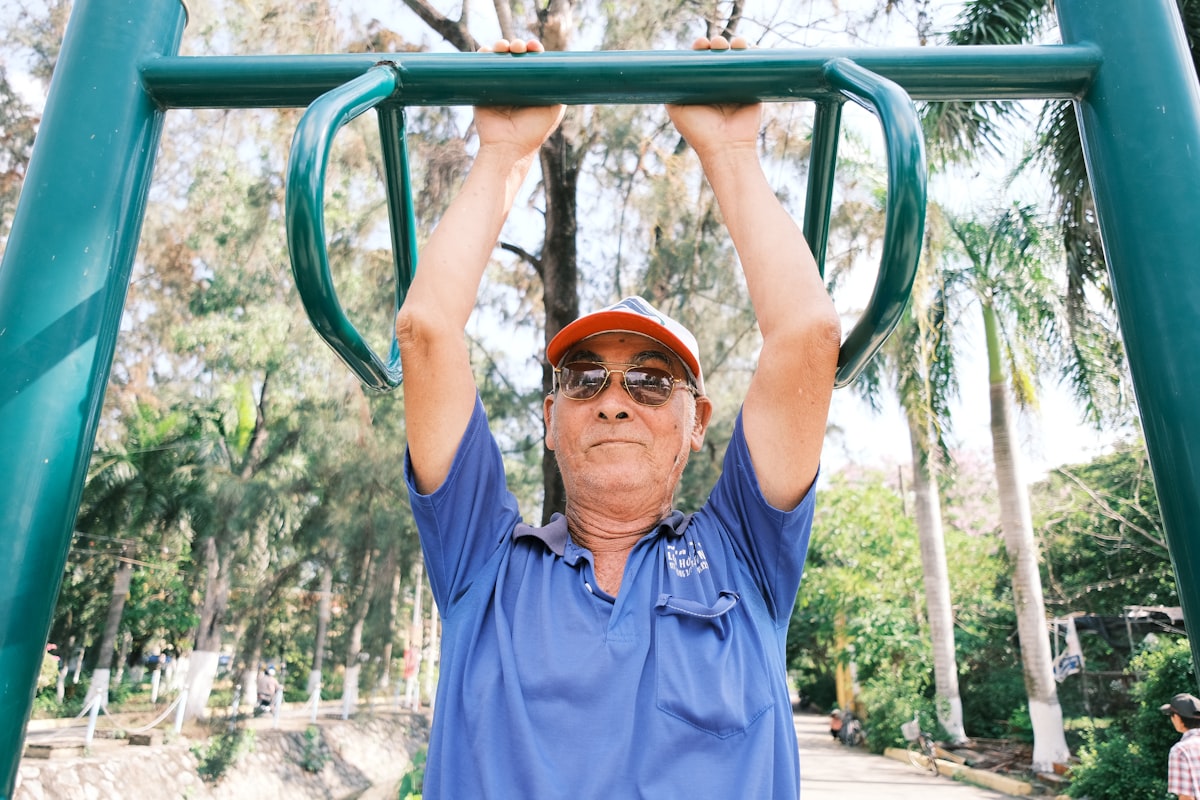
Common Questions About Training After 50
Practical answers to help you start confidently.
No. Research consistently shows that men can build significant muscle and strength well into their 60s, 70s, and beyond. The key is starting with appropriate volumes, prioritising movement quality, and being patient. Consistency over 8-12 weeks yields measurable improvements in strength, functional capacity, and body composition. Many of our readers report their strongest, most confident selves after committing to proper training in their 50s and beyond.
Aim for 150 minutes per week of moderate-intensity aerobic activity (e.g., brisk walking, cycling, swimming) or 75 minutes of vigorous activity, distributed across 3-5 sessions. This supports cardiovascular health without interfering with strength gains or recovery. Think of cardio as movement that complements, not competes with, your resistance training—steady-state walking or leisurely swimming won't undermine muscle building if nutrition and recovery are solid.
Yes, but with modifications. Movement itself—when done intelligently—often reduces joint pain by strengthening supporting muscles and improving mobility. Opt for low-impact variations (step-ups instead of high-impact jumps, machine leg presses instead of heavy barbell squats), prioritise controlled range of motion, and avoid sudden, jerky movements. Consult your GP before starting any new programme, especially if you have pre-existing joint issues. Gentle mobility work and strength training often work synergistically to improve joint resilience over time.
Sleep is where adaptation happens. Muscle protein synthesis accelerates during deep sleep, hormonal recovery occurs, and mental resilience rebuilds. Consistently sleeping fewer than 7 hours undermines strength gains, slows recovery, and increases injury risk. For men over 50, 7-9 hours nightly is the research-backed target. If you're training hard, short-changing sleep is like trying to build muscle without eating protein—the stimulus is wasted. Prioritise sleep as seriously as you prioritise training.
No. Whole foods—lean meat, fish, eggs, dairy, legumes, vegetables, whole grains—deliver superior nutrition compared to supplements alone. A basic protein powder can support convenience if whole-food sources aren't always available, but it's optional. Some men benefit from targeted micronutrient support (magnesium for sleep, omega-3s for inflammation, a basic multivitamin for nutrient gaps), but these are supplementary to, not replacements for, a solid diet. Master nutrition fundamentals first; supplements fill gaps, not foundational needs.
Neural adaptations begin within 1-2 weeks—you'll feel stronger and more capable. Visible muscle development typically appears after 6-8 weeks of consistent training and proper nutrition. Many men notice improved energy, better sleep, and enhanced mood within 2-3 weeks. Body composition changes (increased muscle, improved definition) usually become apparent at 8-12 weeks. The key is consistency; sporadic training yields slow results. Aim for a 12-week commitment before assessing whether a programme is working for you.
Stories from Our Community
Real experiences from men over 50 who committed to structured fitness.
"After 55, I thought my strength days were behind me. Within 8 weeks of following a structured programme, I could do push-ups again and had noticeably more energy. The key was consistency and respecting recovery days. This changed my confidence entirely."
— Michael R., 58
"I was skeptical about fitness vitamins, but pairing them with my workout routine made a real difference. My recovery improved, my joints felt better, and I finally broke through a plateau that had frustrated me for months."
— Sarah T., 52
Ready to Reclaim Your Vitality?
Start your transformation today with scientifically-formulated fitness vitamins and expert guidance.
Frequently Asked Questions
Fitnessvitaminsage
Premium fitness vitamins for active adults over 50.
Quick Links
Support
© 2024 Fitnessvitaminsage – VAT: GB160 8452 75. All rights reserved. | Designed for active living at any age.